
HMRC issues new fraud warning
HMRC is warning customers to be especially vigilant to fraudsters at this time of year due to the busy tax return season. What do you need to know?
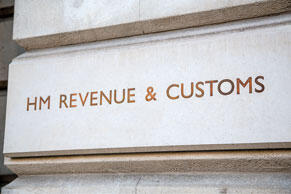
Fraud involving bogus contact purporting to be from HMRC is on the increase. Its latest press release, issued this week, reports that in the year to August 2022, over 180,000 cases of suspicious contact were referred to it. Nearly half of these were scams involving promises of fake tax refunds, designed to trick you into disclosing your bank details. In recent years, fraudsters are getting more brazen, often calling from numbers that genuinely look like HMRC. Upon answering (or checking a voicemail), you may be told that you need to urgently pay money or you will be arrested.
HMRC’s Director general for Customer Services said: “Never let yourself be rushed. If someone contacts you saying they’re from HMRC, wanting you to urgently transfer money or give personal information, be on your guard. HMRC will never ring up threatening arrest. Only criminals do that. Tax scams come in many forms. Some threaten immediate arrest for tax evasion, others offer a rebate. Contacts like these should set alarm bells ringing, so take your time and check HMRC scams advice on GOV.UK.”
Related Topics
-
Updated guidance on mandatory payrolling of benefits in kind
Much like the rollout of mandatory payrolling of benefits in kind, HMRC guidance on the matter is coming in dribs and drabs. What's the latest?
-
Give your children a cheap mortgage
Your son is struggling to get on the property ladder and current mortgage interest rates are making it harder. You’re over the inheritance tax (IHT) threshold but you’re reluctant to give him the money because you’ve heard horror stories about others losing half of it in a divorce. Is a family loan the solution for both of you?
-
Loan Charge settlement offers begin to land
HMRC has begun sending formal settlement offers to individuals and employers with outstanding Loan Charge liabilities, alongside detailed new guidance explaining how offers will be calculated and how long recipients have to respond. What’s the full story?





 This website uses both its own and third-party cookies to analyze our services and navigation on our website in order to improve its contents (analytical purposes: measure visits and sources of web traffic). The legal basis is the consent of the user, except in the case of basic cookies, which are essential to navigate this website.