Hidden MTD news in Spring Statement documents
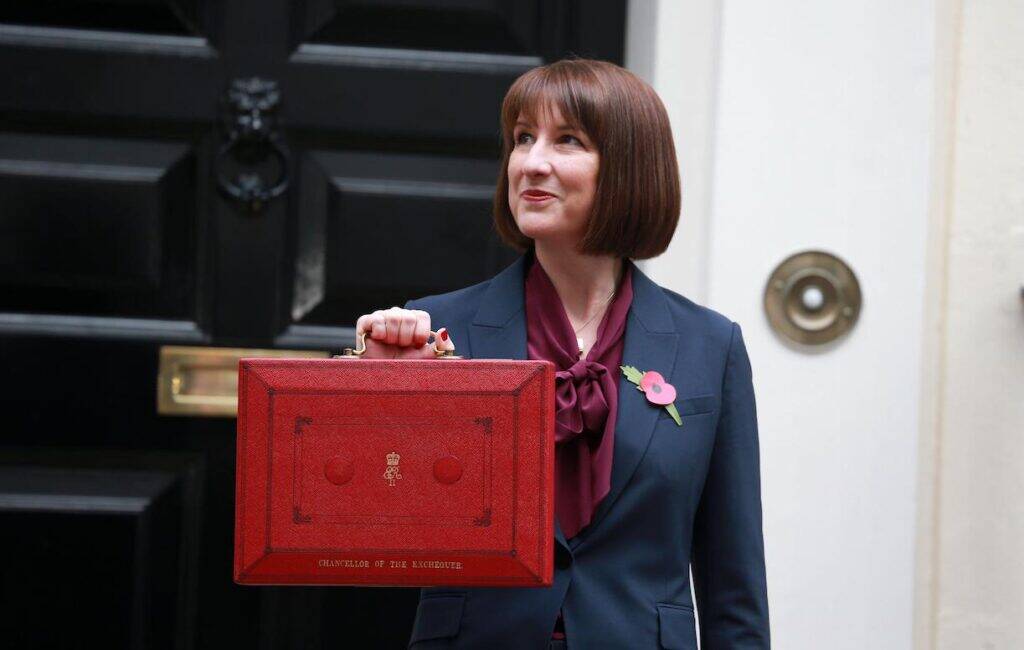
Chancellor Rachel Reeves kept her pledge that there would be no more tax rises at the Spring Statement, but there are some important Making Tax Digital developments hidden away in the tax related documents. What do you need to know?
The timetable for Making Tax Digital for Income Tax Self-Assessment (MTD ITSA) includes mandating sole traders and landlords with revenue exceeding £50,000 from April 2026, then £30,000 the following year. The government has published a technical note alongside the Spring Statement documents that provide further details on the measures. The note includes the following key points:
- The mandation threshold will fall to £20,000 from April 2028 for sole traders and landlords;
- Exempting certain taxpayers from MTD, including non-UK resident entertainers and sportspeople with no other income sources;
- Deferring mandation from ministers of religion, Lloyds underwriters, and recipients of the married couples’ allowance (note that this is not the same as the marriage allowance, and is only relevant where one of the couple was born before 6 April 1935) and blind persons’ allowance until after the end of the current parliament;
- Confirmation that eligible software will be mandatory – there will be no filing service provided by HMRC for the end of year confirmation.
There is still no certainty of if and/or when taxpayers with income below £20,000 will be brought within MTD ITSA. The note simply says “As part of the ongoing rollout of MTD, the government will continue to explore how we can best bring the benefits of digitalisation to a greater proportion of the 4 million sole traders and landlords who have income below the £20,000 threshold.”
Related Topics
-
Payment deadline for corporation tax
-
HMRC targets undeclared consultancy income in the medical sector
HMRC is writing to people working in the medical sector where information supplied by private healthcare providers suggests that consultancy fees may have been omitted from their tax returns. Recipients have 30 days to check their position and respond. What should you do if you get a letter?
-
MONTHLY FOCUS: BUSINESS AND AGRICULTURAL PROPERTY RELIEF: WHAT DO THE NEW IHT RULES MEAN FOR YOU?
The inheritance tax treatment of businesses and farms changed fundamentally from 6 April 2026. The amount that can qualify for 100% business property relief and agricultural property relief is now capped, potentially leaving families with a significant tax bill for the first time. What has changed, and what should business owners and farmers be doing about it?





 This website uses both its own and third-party cookies to analyze our services and navigation on our website in order to improve its contents (analytical purposes: measure visits and sources of web traffic). The legal basis is the consent of the user, except in the case of basic cookies, which are essential to navigate this website.