
Nominating a main residence election
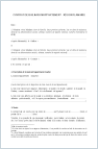
If you own two or more properties which you use as homes, say your main house and a holiday home, you can choose which qualifies as your main residence for capital gains tax private residence relief.
More than one
The general rule is that if you make a gain on the sale of your main residence, then you don’t have to pay capital gains tax. This is called private residence relief. An unmarried individual or a married couple can only have one main residence for this relief at any one time.
However, if you have more than one home, it’s possible to nominate which one you would like to be treated as your main residence.
Make an election
An election can only be made where you actually live in more than one home. For example, you can’t elect for a property to be your main residence if you are renting it out.
An election must be made within two years of you having two or more residences, but once an election has been made it can be switched (varied) between the properties as often as you wish. A variation can apply up to two years prior to the date you make the election. Plus, each time you acquire another property a new two-year window to make an election opens.
In the case of a married couple, both partners must sign the election for it to be effective.
You should elect to nominate the property which is likely to produce the greatest capital gain when you sell or transfer it. However, the CGT rules are generous and where an election applies for just a short time the final nine months (18 months for disposals before 6 April 2020) of ownership will also qualify for the private residence relief.
In view of the final nine-month rule, it’s a good idea elect the property which you expect to make the least gain as your main residence for a short time, say a month, and then vary the election back to the original property.
You can use this document for a first time main residence election or variation.
Related Topics
-
Alternative education providers can protect VAT refund claims
HMRC has confirmed that some alternative providers of higher and further education can submit VAT refund claims following a Court of Appeal ruling, despite HMRC appealing the decision to the Supreme Court. What do you need to know?
-
Old IHT forms will be rejected
HMRC has stopped processing old versions of the Inheritance Tax IHT100 forms from 31 August 2026. Anyone reporting an IHT chargeable event involving a gift or trust will need to make sure they are using the correct forms. What do you need to know?
-
The tax incentive to do a thorough stock-take
The annual stock-take isn’t exactly your favourite thing to do. You know resources could be better spent elsewhere so you try to get through it as quickly as possible. Why might it be worth a little more of your time?





 This website uses both its own and third-party cookies to analyze our services and navigation on our website in order to improve its contents (analytical purposes: measure visits and sources of web traffic). The legal basis is the consent of the user, except in the case of basic cookies, which are essential to navigate this website.