
Amending a personal tax return letter
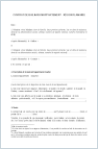
You are entitled to amend entries on your personal self-assessment tax return within the “amendment window”. Where you completed and submitted your return electronically either using HMRC’s or commercial software, you can use it to make amendments. However, where you submitted a return in paper format you will need to write to HMRC with details of the corrections.
Tax return amendment window
There are different time limits in which an amendment can be made:
- where the orginal return was submitted within the normal filing deadline, one year from that date, the normal filing deadline is 31 January following the end of the tax year. For example, for 2019/20 the filing deadline is 31 January 2021 and the amendment window, 31 January 2022
- where HMRC’s notice requesting you submit a tax return is issued after 31 October following the end of the tax year concerned, it’s one year and three months from the date of issue of HMRC’s notice to file.
- where HMRC issues a notice closing an enquiry into your tax return, it’s 30 days from the date of issue of the notice.
Use our Amending a Personal Tax Return Letter to make the process easier.
Related Topics
-
Deadline to pay Class 1B NI
-
HMRC speeds up National Insurance refunds
HMRC has confirmed that it is using a new automated process to speed up National Insurance refunds. Where its records suggest that someone may have overpaid, HMRC will write to them asking them to check their employment and contribution details before any refund is processed. Could you be due money back?
-
Should you voluntarily payroll benefits in kind?
The window to sign up to voluntarily payroll non-mandatory benefits in kind for 2027/28 will open in November. Is it worth volunteering to pay HMRC earlier than required or should you wait until it becomes mandatory in 2028/29?





 This website uses both its own and third-party cookies to analyze our services and navigation on our website in order to improve its contents (analytical purposes: measure visits and sources of web traffic). The legal basis is the consent of the user, except in the case of basic cookies, which are essential to navigate this website.